

Caixin
Dec 16, 2015 07:27 PM

Closer Look: Why the NDRC Gets Mocked for 'Protecting the Environment'
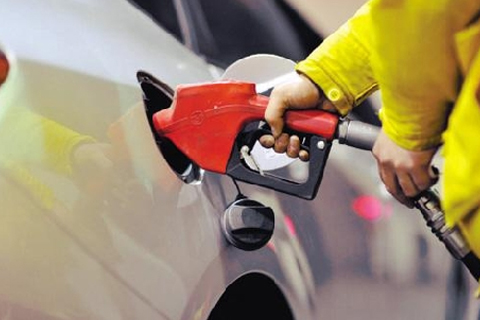
(Beijing) – The reason the country's top economic planner gave for not cutting gas and diesel prices on December 15 as it was scheduled to – to protect the environment by discouraging fuel consumption– has been questioned and mocked online.

Indeed, the legal basis for the move, which has more to do with saving China's oil giants from financial losses, is shaky.

The rules covering the management of fuel prices require the government to update domestic gas and diesel prices every 10 working days according to the price of crude oil abroad.

Over the past two weeks, overseas prices have fallen, meaning a cut should have been announced on December 15. But instead of saying it would lower prices, the National Development and Reform Commission (NDRC) said it would postpone the move to limit demand and "promote environmental protection."

It did not say whether a cut would come later.

The only provision in the pricing rules that the commission could use to defend its decision reads:

"The NDRC can suspend or postpone a price adjustment or narrow the range of the adjustment, if the State Council allows, when it needs to control consumer oil prices under special circumstances, such as when the overall level of domestic prices experienced significant increases or there has been a major unexpected event, and if global oil prices experienced sharp fluctuations in a short period of time."

This statement practically throws the door open to abusive government intervention because there is no clear definition of "significant" price increases, how wide a "sharp" fluctuation needs to be and what period of time is considered "short."

Environmental protection was also cited by the Ministry of Finance this year, when it twice raised the consumption tax on gas and diesel just as the NDRC announced cuts to its prices.

Protecting the planet seems to have become a convenient excuse for government officials to justify their actions. Saving the environment is great, but this isn't the way.

Regulators should factor environmental costs, including pollution, into the price of fuel. They have not done so, in part because scientists have not been able to quantify in monetary terms the damage caused by air pollution and how much extra consumer should pay. This is not a task that can be done soon.

The current regulation allows the government to balance the interests of oil companies and consumers through an arrangement that forces the producers to lower their profit margins when the price of oil is between US$ 80 and US$ 130 per barrel.

When the price goes higher, the oil firms get a government subsidy so they don't overcharge their customers. When the price falls below the range, consumer prices are supposed to be lowered.

Sources close to policymakers said that when the pricing rules were being drafted, a proposal was made to freeze reductions if the overseas price of oil fell below US$ 40 per barrel. The idea was dropped because in early 2013, no one thought that would ever happen.

Unless the pricing rules are clarified and the conditions for changing, or not changing, fuel prices are made clear, the government may find it needs the "environment" excuse again. If it does, it should be prepared for more mockery.

(Rewritten by Wang Yuqian)

You've accessed an article available only to subscribers
VIEW OPTIONS
Share this article
Open WeChat and scan the QR code
GALLERY




