

Caixin
May 23, 2012 11:45 AM

Foggy Business on China's Fast-Train Tracks
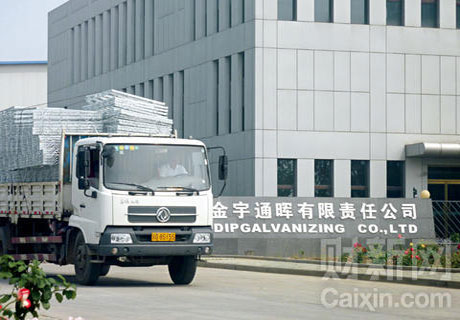
a

(Beijing)– Workers building a high-speed railway that will eventually link Shanghai and Kunming are familiar with a powdery substance often found clinging to steel construction materials called cast-in channels.

What they've observed is worrisome because cast-in channels give critical support to all sorts of railroad structures, from power line to tunnel ceilings.

And the powder suggests at least some of the channels – squarish, grooved rods usually made of galvanized steel – may be defective.

The nation's expanding network of fast trains relies heavily on cast-in channels. They're supposed to bear weight and significant pressure. And they're everywhere: So many channels are being installed in the 333 kilometers of tunnels on the Shanghai-Kunming line that they'd stretch 133 kilometers if laid end-to-end.

Experts say a defective channel can, in a worst-case scenario, cause structural failure and perhaps trigger a rail disaster.

It's doubtful the nation's 1.8 trillion yuan bullet-train expansion project – led by state-run China Railway Construction Corp. (CRCC) and the Ministry of Railways – can afford another tragedy like the collision between two passenger trains last year that killed 40 people. The crash bloodied the image of China's railways and prompted a slowdown of fast-train construction projects.

The powder, according to a railway construction expert who spoke with Caixin on the condition of anonymity, is zinc residue from a coating applied to cast-in channels made of galvanized steel.

Zinc applications help prevent rust. A channel that loses its protective zinc coating can corrode, gradually weaken and break.

So far, none of the railroad project's contractors nor the railway ministry have addressed what the construction expert said is a potential safety hazard.

Caixin sought but failed to get comments on the issue from officials with rail construction companies and CRCC's Third Railway Survey and Design Institute, which in the course of drafting railway line blueprints chose a specific brand of cast-in channel for most applications.

Questions have been raised about the institute's decision to favor one brand of cast-in channel over all others, especially in light of the zinc powder problem.

You've accessed an article available only to subscribers
VIEW OPTIONS
Share this article
Open WeChat and scan the QR code
GALLERY




