

Wang Tao: How Sharp Will China’s Property Downturn Be in 2022?

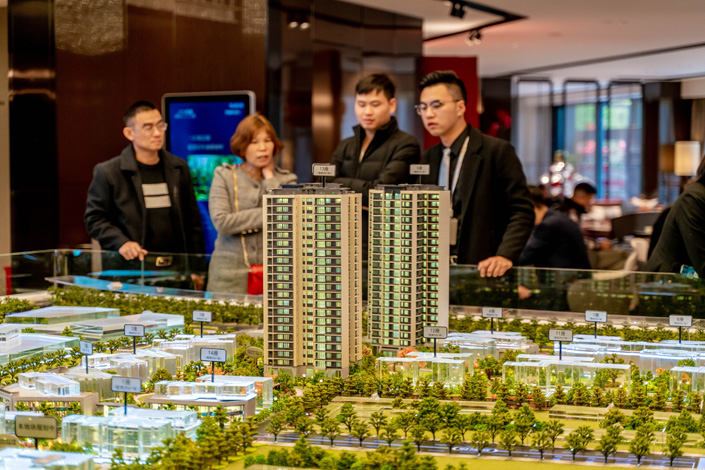
Property activities are slowing sharply due to waning fundamental support for underlying demand. China’s urbanization is slowing as over 75% of employment is now in nonfarming sectors and fewer new migrants are coming to cities each year. Population in the main home-buying cohort (age 25-44) has been declining. Urban home ownership is estimated to be over 90% with average living space per capita reaching 40 square meters in 2019. Shantytown housing has been largely replaced by about 50 million units of new ones in the past decade. While investment demand has been increasingly important, over half of household wealth is already in property, and household debt, dominated by mortgage debt, has also climbed to 100% of disposable income. China’s super urbanization-property cycle is behind us.

Wang Tao is the head of Asia economics and chief China economist of UBS Investment Bank.
- 1JAC Confirms Talks With Huawei, Stellantis Over Maserati Revival
- 2China Evergrande Liquidators Seek Over $2 Billion From Former Business Partners
- 3Chinese Science Blogger Detained After Aiding Cherry Growers’ Campaign
- 4Analysis: China Pushes LGFVs Beyond ‘Fake’ Transformation
- 5Seres, Huawei Come to New Agreement Over Aito
- 1Power To The People: Pintec Serves A Booming Consumer Class
- 2Largest hotel group in Europe accepts UnionPay
- 3UnionPay mobile QuickPass debuts in Hong Kong
- 4UnionPay International launches premium catering privilege U Dining Collection
- 5UnionPay International’s U Plan has covered over 1600 stores overseas

 Sign in with Google
 Sign in with Facebook
 Sign in with 财新